

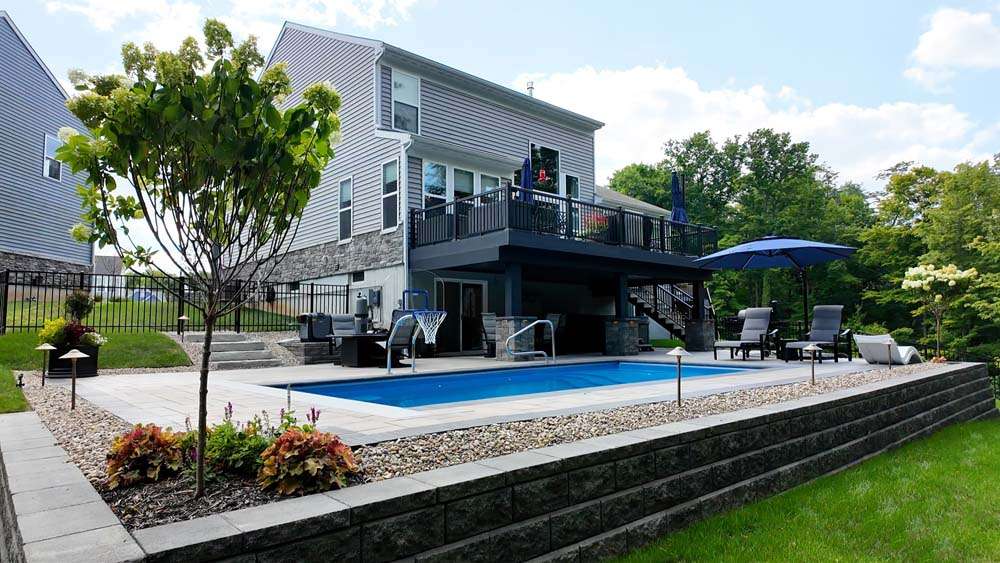
Choosing the right structure for shade sounds easy until you start comparing how each option feels, how much coverage it gives, and how it changes the way you use your yard. Some choices create soft, filtered shade. Others give you full shelter and make outdoor time possible even when the weather shifts. The right answer depends less on trends and more on how you want to live outside.
For SmithScapes, this question often starts with comfort but quickly turns into something bigger. You are not just picking a roofline or a style. You are deciding how your patio, deck, furniture, cooking area, and traffic flow will work together.
Table Of Contents:
- Start With How You Want To Use The Space
- Know What Each Structure Really Gives You
- Measure More Than Just The Footprint
- Match Materials And Roof Style To Your Maintenance Goals
- Set A Budget For The Whole Outdoor Experience
- Avoid The Choices That Lead To Regret
- Choose The Structure That Fits Your Life
- Conclusion
- FAQs
If you want to make a smart decision, you should think beyond looks first. A beautiful structure that leaves your dining table in direct sun every afternoon is still the wrong one. A simple structure that makes the space usable most days of the week is often the better fit.
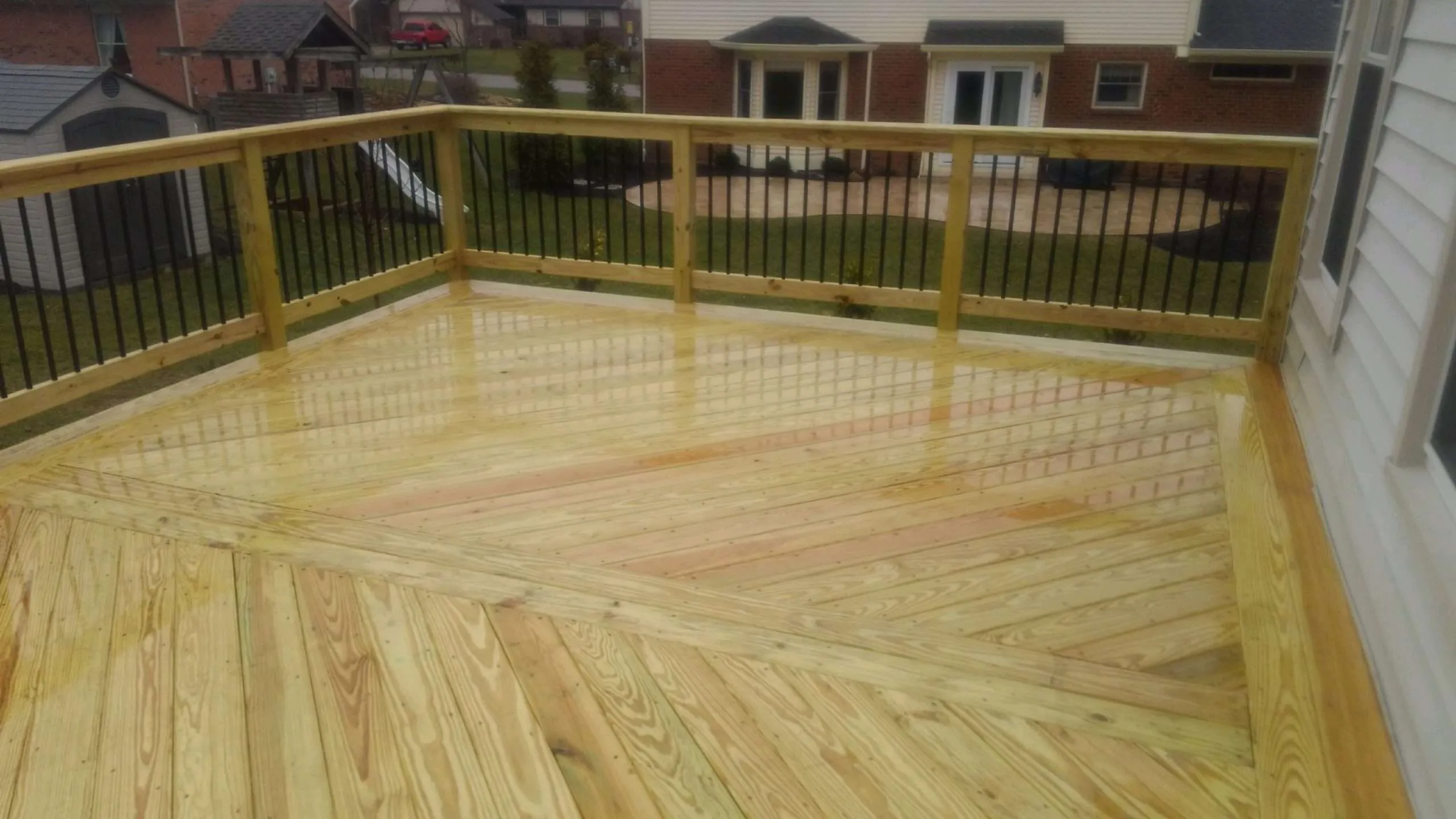
Start With How You Want To Use The Space
Before you compare styles, ask yourself a more useful question. What do you want this area to do for you on a normal week?
Think About Daily Life Before Special Occasions
Homeowners often design for rare large gatherings, but daily habits should take priority. Whether you enjoy morning coffee or regular family dinners, your structure must support these frequent routines. Weekend hosting needs may suggest a different, larger design.
Consider the users: couples may want cozy retreats, while families or outdoor cooks require broader, stronger weather protection.
Decide Whether You Want Shade Or Shelter
Many projects fail because owners confuse shade with shelter.
Pergolas provide open, filtered sun, whereas pavilions and solid roofs block midday heat and light rain. Gazebos offer a more enclosed, destination feel. The choice depends on your needs: would you use the area on a rainy day, or only when it is clear?
Choose more coverage for multi-weather use, or lighter structures for better airflow and garden views.
Know What Each Structure Really Gives You
Among all outdoor structures, the biggest differences come down to roof coverage, openness, and scale. Once you understand that, the decision gets easier.
Pergolas Work Best For Filtered Light And Openness
Pergolas are a strong choice when you want shade without closing off the yard. Their overhead design allows some light through, which helps the space feel bright and airy. They pair well with patios, decks, lounge seating, and transitional spaces near the home.
You should choose a pergola when you want visual definition, partial shade, and a structure that still feels connected to the rest of the landscape. They are especially useful if you like the look of beams, clean lines, and a lighter architectural presence.
You should not choose a pergola if you expect solid rain protection or full overhead cover all day long unless the design includes added features that increase protection.
Pavilions Make Sense When You Want Full Coverage
Pavilions are ideal for homeowners seeking a wall-less outdoor room with reliable overhead protection for dining, seating, or kitchens.
This structure offers superior protection for furniture and guests during extended use, creating an intentionally planned aesthetic.
Consider a pavilion for large patios, active entertaining, or when comfort is prioritized over a lighter, open-top design.
Gazebos Create A More Defined Destination
Gazebos tend to feel a bit more separate from the house and more self-contained than other options. They can work beautifully as a garden focal point, a retreat at the edge of the yard, or a place to sit away from the main patio.
They make sense when you want a stand-alone feature with more personality and stronger overhead coverage. They make less sense if your main goal is to cover a wide dining or kitchen area directly attached to your home.
Measure More Than Just The Footprint
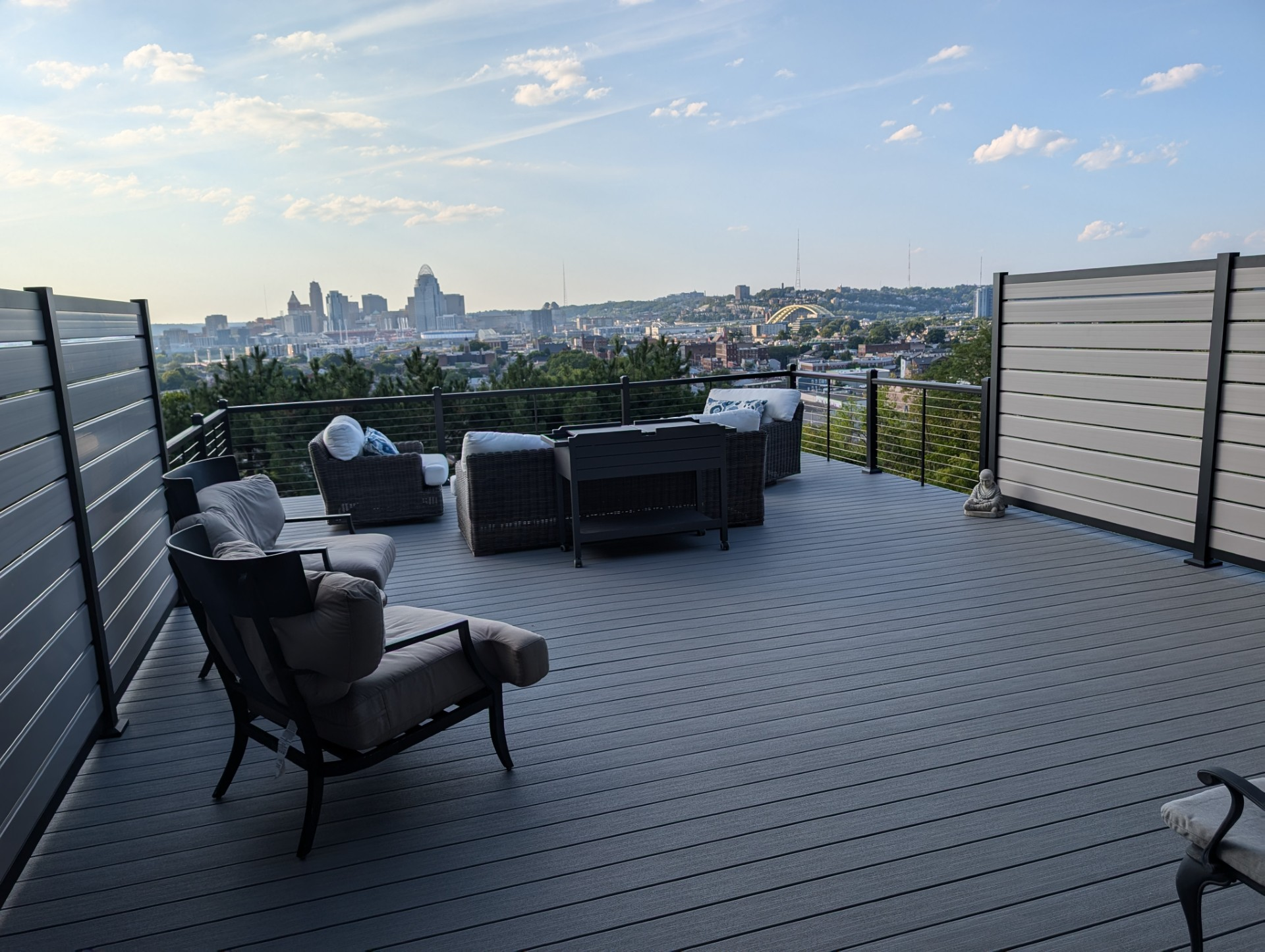
A common mistake is sizing a structure only to match the patio. It should also be planned around sun exposure, especially during the hours you use the space most. You also need enough room for furniture, movement, and clear walkways, while keeping the height balanced so the area feels both open and comfortable.
Match Materials And Roof Style To Your Maintenance Goals
A structure should fit your lifestyle after installation, not just the day it is built.
Choose Materials You Will Actually Keep Up With
Wood offers warmth and character, but it may ask more of you over time depending on finish and exposure. Metal can give a cleaner, more contemporary look. Composite or low-maintenance options may appeal if you want less upkeep and a more predictable long-term routine.
You should be honest about how much maintenance you want to handle. If you love the look of natural wood and are comfortable caring for it, that can be a great choice. If you prefer something easier to manage, that should guide your decision just as much as style.
Pick A Roof Style That Matches Real Conditions
An open slat roof creates a different experience than a solid roof. One filters light and keeps the space breezy. The other gives stronger protection and changes how often the area can be used.
Think about your climate, your yard exposure, and what sits beneath the structure. If you are covering a lounge area that gets occasional use, lighter shade may be enough. If you are protecting a dining set, a cooking area, or electronics like a mounted fan or television, stronger coverage may be worth it.
Set A Budget For The Whole Outdoor Experience
The structure itself is only part of the investment. You should budget for the complete area so the finished result feels usable, not unfinished.
Here are a few costs homeowners should account for
- Site prep and foundation work
- Lighting, fans, and electrical needs
- Flooring or surface upgrades under the structure
- Furniture layout, privacy elements, and drainage details
This matters because a beautiful cover placed over an underbuilt patio can still leave the space feeling incomplete. The best results come from treating shade as part of the overall plan, not as a stand-alone add-on.
A well-designed project should connect the cover to the hardscape, planting, lighting, and movement around the yard. That is one reason working with a landscaping company can help you avoid expensive mismatches between the structure and everything around it.
Avoid The Choices That Lead To Regret
Some problems are obvious right away, while others appear after a season outdoors. A shade structure should not be chosen just for looks, because what works in a photo may not suit your yard, sun exposure, or daily routine. It should also fit naturally with the home, patio, and landscape so the yard feels connected instead of awkward. Comfort matters too, since shade alone is not enough without airflow, lighting, privacy, and useful details that make the space enjoyable every day.
Choose The Structure That Fits Your Life
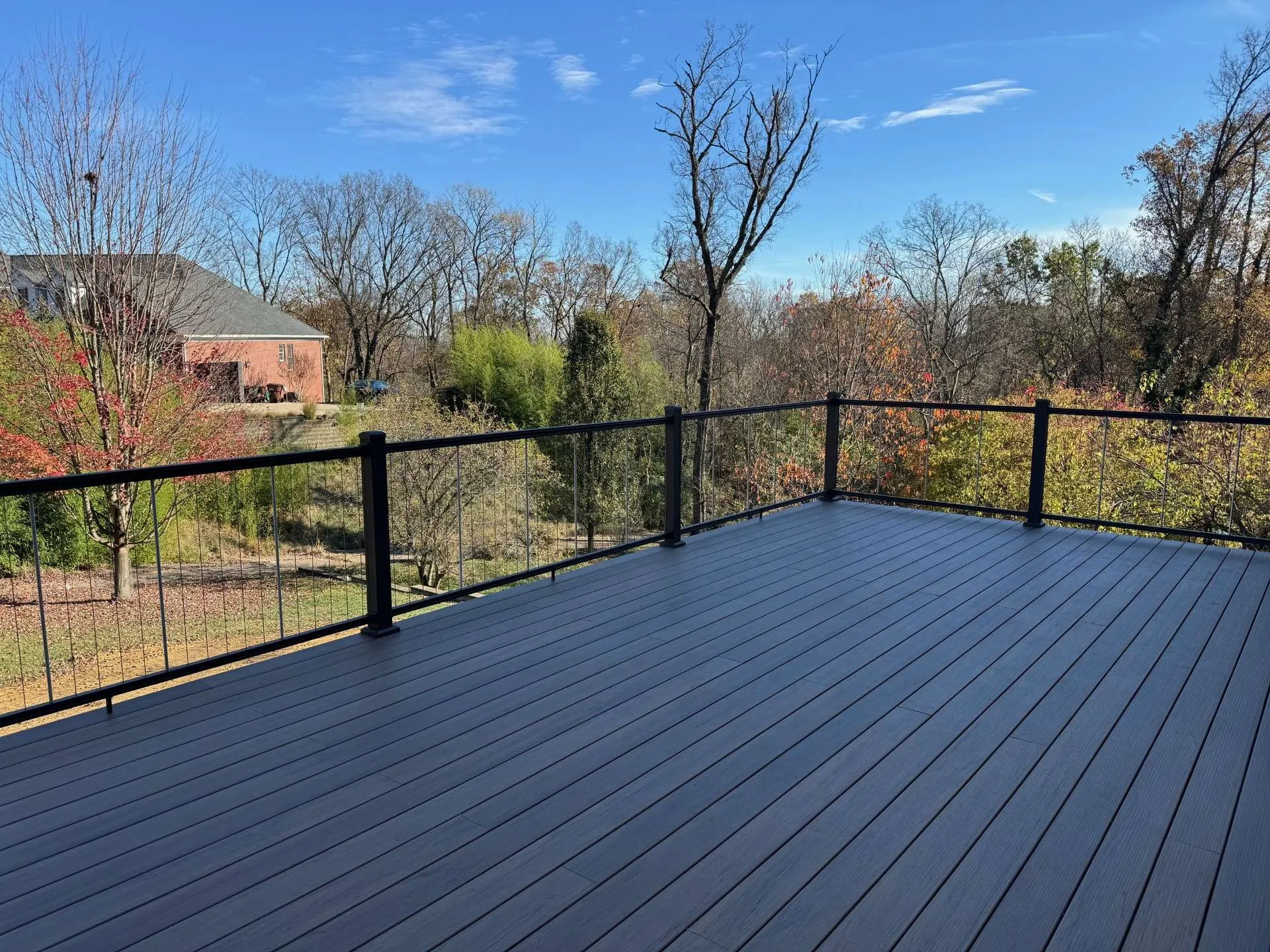
The right outdoor structure for shade is the one that makes your yard more usable in the ways that matter to you. If you want an airy architectural feature with softer light, a pergola may be right. If you want dependable coverage for dining or entertaining, a pavilion may make more sense. If you want a stand-alone retreat, a gazebo could be the better fit.
The best choice usually comes from slowing down before you build. You should study the sun, define your goals, think through maintenance, and plan the whole space around how you actually live. When you do that, the structure stops being just a backyard feature and starts becoming part of your daily routine.
That is what you should aim for. Not the biggest option, not the trendiest one, and not the one that looks best in isolation. You want the one that makes your outdoor space easier to enjoy.
Conclusion
Choosing shade is really about choosing comfort, function, and rhythm. The structure you build should support how you gather, relax, eat, and move through the yard. When the fit is right, the space feels natural from the start and useful for years to come.
If you are planning your next outdoor project, keep your focus on how the area will be used most often. That approach leads to better decisions, fewer regrets, and a backyard that feels like it was designed for real life.
FAQs
What is the best outdoor structure for full shade?
A fully roofed option is usually best if your priority is full shade. That type of structure gives stronger protection from direct sun and can make the space more comfortable for dining, lounging, and entertaining throughout the day.
Is a pergola enough for hot summer weather?
It can be, depending on your yard and how you use the space. A pergola helps soften sunlight and keeps the area feeling open, but it does not block as much heat or weather as a solid-roof structure.
How do I know what size shade structure to build?
Start with how the space will function, then measure for furniture, walkways, and clearance around the edges. You should plan for movement and comfort, not just the footprint of the table or seating area underneath.
Should my shade structure attach to my house or stand alone?
That depends on how you want the space to feel. An attached structure can make the patio feel like a natural extension of the home, while a freestanding one can create a separate destination somewhere else in the yard.
What should I avoid when choosing a backyard shade structure?
You should avoid choosing based on looks alone, underestimating sun direction, and forgetting about the surrounding space. The best results come when you consider shade, traffic flow, furniture, maintenance, and comfort together.
Custom Shade Structures That Fit Your Yard And Your Lifestyle
→ Get expert guidance on the best shade structure for your space
→ Bring comfort, function, and style together in one outdoor plan
→ Create a backyard setup that feels built for the way you live
Connect with SmithScapes to start planning the right shade structure for your outdoor space →
Related Articles: