

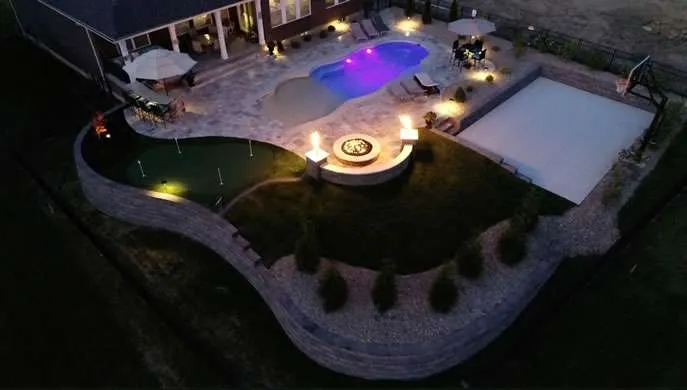
What gives an outdoor space more staying power, the classic order of brick or the natural character of stone?
That question comes up often when homeowners start planning a wall, patio border, steps, columns, or another hardscape feature. Both materials can look beautiful and last for years, but they do not create the same impression or work the same way in every setting. The better choice depends on the look you want, the function the feature needs to serve, and how much variation or uniformity feels right for your property.
Table Of Contents:
- Why This Choice Is About More Than Appearance
- What Brick Usually Brings To A Project
- What Stone Brings To A Project
- How Style Should Guide The Decision
- Practical Considerations That Should Not Be Ignored
- How Homeowners Can Narrow It Down With More Confidence
- Why The Best Choice Depends On The Property
- FAQs
SmithScapes provides masonry services throughout Greater Cincinnati, Indiana, and Northern Kentucky, and its service pages also highlight natural stone installation options that can be mortared or built in a dry stack style.
Why This Choice Is About More Than Appearance
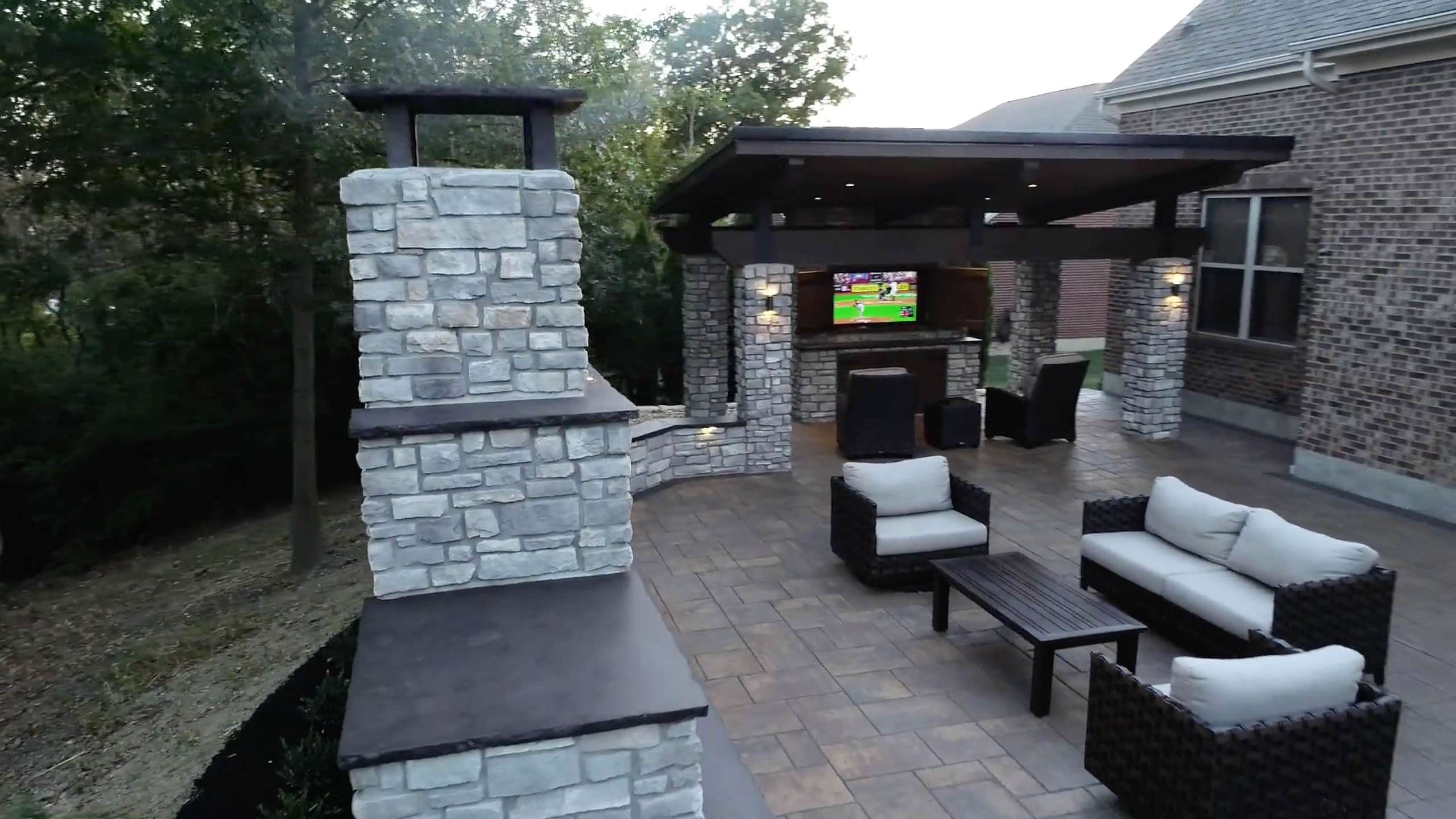
When people compare stone and brick, they often start with color and texture. That makes sense because visual style is the most obvious difference. Brick usually creates a cleaner, more ordered look because the units are manufactured in consistent sizes. Stone usually feels more organic because pieces vary in shape, size, and surface character. That difference affects the mood of a project right away. Public masonry comparisons commonly describe brick as more uniform and stone as more natural in appearance.
Function Matters Too
Looks are only part of the decision. You also need to think about where the feature sits and what it has to do. A decorative garden wall may allow more flexibility than steps, edging, or a structural feature that has to manage wear, weather, and movement. SmithScapes notes that it handles a wide range of masonry projects and has completed hundreds of projects over more than 20 years, which reflects how varied these installations can be in real residential landscapes.
What Brick Usually Brings To A Project
Brick is often a strong fit when you want clean lines and a traditional or more formal look. Because brick pieces are more consistent in size, they can create patterns and edges that feel orderly and intentional. That can work especially well around entries, walkways, and low walls outdoors too.
Brick Can Be Easier To Visualize Up Front
Another advantage of brick is predictability. Since the pieces are more uniform, many homeowners find it easier to picture the finished result. Public comparisons of brick and stone often note that brick is generally more affordable and faster to install than stone because the materials are more standardized.
That does not mean brick is automatically simple. Good layout, base preparation, drainage, and installation still matter. But when you want a design that reads crisp and consistent, brick often gets you there more directly.
What Stone Brings To A Project
Stone is often chosen because it feels less manufactured and more tied to the landscape. Surface texture, shape variation, and tonal differences can give an outdoor feature more depth and personality. That can be especially appealing if your yard already has a natural setting, uneven grades, mature planting, or a less formal design language.
SmithScapes highlights natural stone as a flexible option that can be installed with mortar or in a natural dry stack look, which underscores how many visual directions stone can take.
Stone Often Feels More Custom
Could the slight irregularity of stone be exactly what makes a project feel finished rather than overly polished?
For many homeowners, yes. Stone can make a wall, step, or feature feel unique. Public comparisons also note that stone is often associated with higher cost, more complex installation, and longer project timelines because each piece may require more fitting.
That added complexity is part of the appeal for some clients. The end result often feels more textured and rooted in place.
How Style Should Guide The Decision
One of the easiest ways to choose between stone and brick is to look closely at the house. A home with traditional lines, existing brick details, or a more formal façade may feel naturally aligned with brick. A home surrounded by planting beds, grade changes, or a more rustic or earthy palette may feel better with stone.
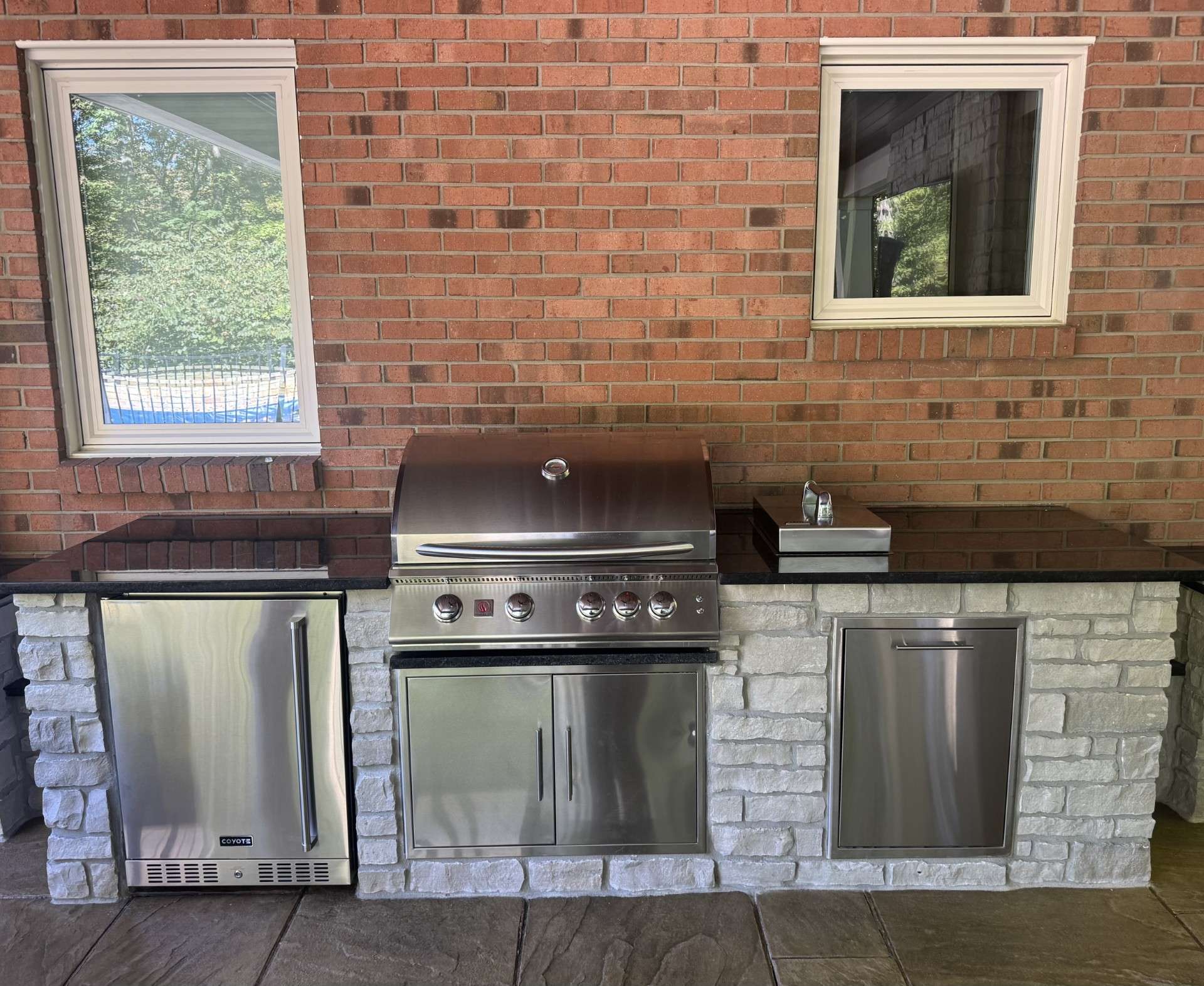
This does not mean you must copy the house exactly. It means the new feature should feel like it belongs there. The best projects usually connect with the architecture rather than competing with it.
Think About The Overall Landscape Mood
You should also look beyond the house itself and consider the wider setting. Is the yard neat and geometric, or layered and natural? Are you building around crisp hardscape lines, or are you trying to soften the edges of the space? Those cues matter because masonry does not sit alone. It becomes part of the whole outdoor environment.
Practical Considerations That Should Not Be Ignored
Even when homeowners love the look of stone, budget and timeline can still point them toward brick. Recent masonry comparisons often describe brick as the lower to mid-range option and stone as the mid to high-range option, with stone usually taking more labor.
That does not make brick the lesser choice. It simply means you should be honest about what matters most. If you want a clean, lasting look with more predictable installation, brick may be the better fit. If you are investing in natural character and are comfortable with a longer or more detailed process, stone may be worth it.
Drainage And Structural Needs Still Matter
If the feature has any retaining function, material choice is only one piece of the puzzle. Drainage matters tremendously. Guidance on retaining walls consistently warns that poor drainage can lead to water pressure, cracks, and structural failure over time.
That is why the material should never be chosen in isolation from the build method. Design, base work, and water management matter just as much as surface appearance.
How Homeowners Can Narrow It Down With More Confidence
What do you want people to notice first, clean definition or natural texture?
That question can help you cut through a lot of indecision. If you want the project to feel classic, balanced, and orderly, brick may be the right direction. If you want it to feel grounded, textured, and a little less formal, stone may make more sense.
Think About Maintenance And Expectations
Neither option should be chosen only from photos. You should ask how the material will age, how it will interact with the surrounding hardscape, and whether slight variation will feel charming or frustrating to you over time. Some homeowners love the irregularity of stone. Others prefer the more controlled appearance of brick.
This is also where experienced professionals matter. A good recommendation is not only about the material itself. It is about how that material fits your site, your goals, and the way the feature will actually be used.
Why The Best Choice Depends On The Property
There is no universal winner between stone and brick. Each one solves a different design problem. Brick often works best when you want structure, rhythm, and a more classic look. Stone often works best when you want texture, individuality, and a connection to the surrounding landscape. Both can be beautiful and durable. The key is choosing the one that fits the property instead of chasing a trend.
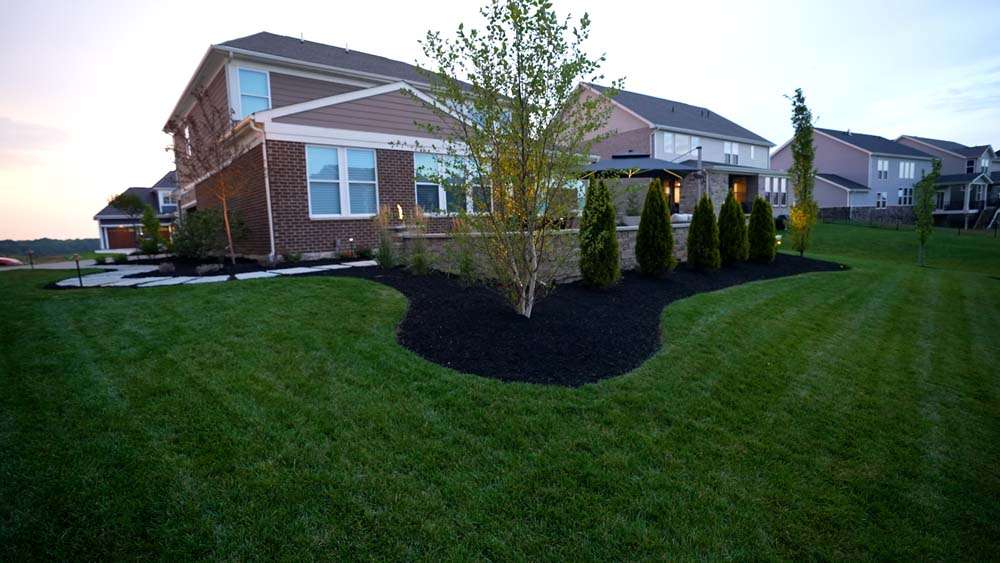
For clients planning walls, steps, patios, borders, or other outdoor features, that is the real takeaway. The smarter choice usually comes from reading the house, the yard, the purpose of the project, and the long-term feel you want from the space. We consider both masonry and natural stone work as part of our broader landscape design and installation services in the Cincinnati tri-state region, which reflects how these materials are best considered within the larger outdoor plan.
FAQs
Is stone always more expensive than brick?
Stone is often described as the more expensive option because it can require more material cost and labor, but the final price depends on the design, site conditions, and installation details.
Does brick last as long as stone outdoors?
Both can be durable outdoor materials when they are properly installed. Longevity depends on build quality, drainage, weather exposure, and maintenance, not just the material alone.
Is stone better for natural looking landscapes?
Often, yes. Stone usually creates a more organic and varied look, which many homeowners prefer in landscapes with a natural or less formal design.
Can brick work in a modern outdoor design?
Yes. Brick can work well in modern spaces when the layout, color choice, and overall design are kept clean and simple. Its uniformity can support a more structured look.
Should I choose based on the house or the yard?
You should consider both. The strongest result usually comes from choosing a material that works with the home’s architecture and the wider landscape setting together.
Custom Masonry Design That Helps You Choose The Right Look For Your Outdoor Space
→ Compare stone and brick options with guidance shaped around your property
→ Create outdoor features that match your home’s style and long-term needs
→ Work with a team that builds with durability, detail, and visual balance in mind
Connect with SmithScapes to plan a masonry project that fits your space and your vision →
Related Articles: